- Home
- About Us
- Products
- Updates
- Videos
- Gallery
- Contact Us
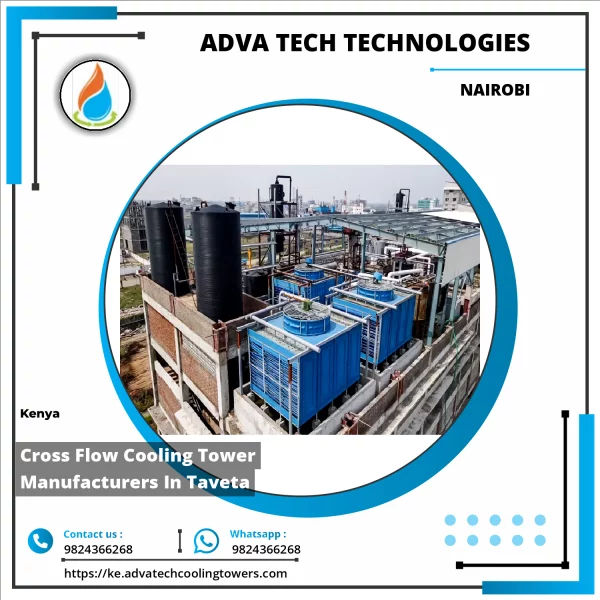
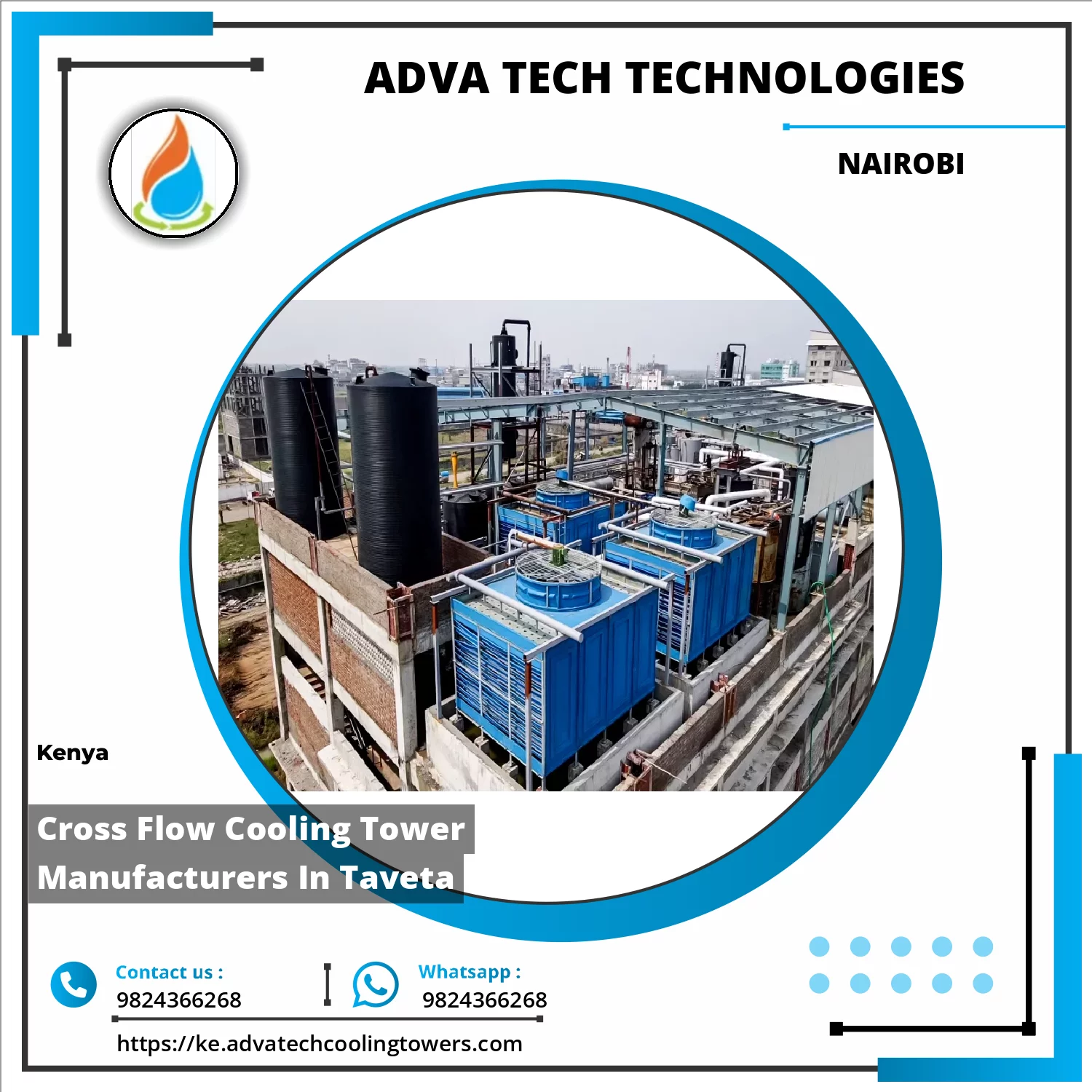
Cross Flow Cooling Tower Manufacturers In Taveta
Details
We manufacture cross flow cooling towers used for efficient heat removal in industrial cooling systems. This product allows water to flow vertically while air moves horizontally across the structure, helping maintain effective heat exchange. These cooling towers are commonly used in power plants, processing units, manufacturing facilities, and large industrial installations where temperature control remains important for continuous operations. Proper structural fabrication and balanced airflow distribution support stable cooling performance and dependable long-term operation.
Uses
- Industrial water cooling
- HVAC cooling systems
- Manufacturing plants
Features
- Efficient cross-flow design
- Corrosion-resistant structure
- Low energy consumption
Cross Flow Cooling Tower Manufacturer In Webuye T163
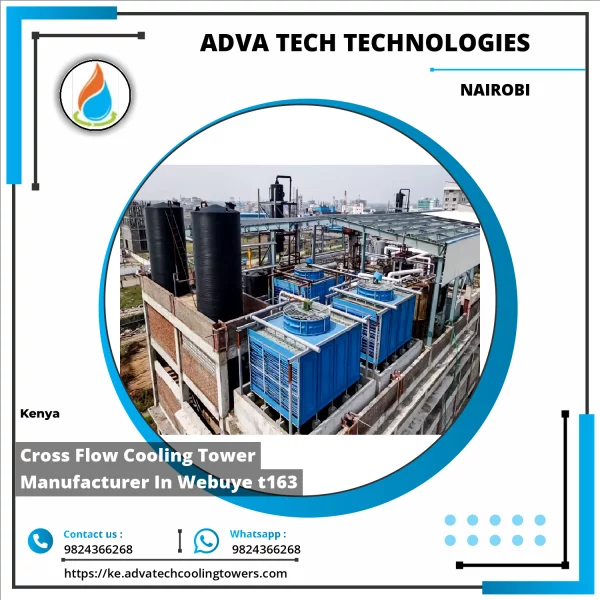
With Our Profound Knowledge In The High-efficiency Thermal Exchange Industry, We Are The Prominent Organization Engaged In Offering An Extensive Gamut Of Cooling Solutions. Our Specialized Infrastructural Facility Helps Us To Deliver Superior Quality Industrial Towers As Per The Specific Thermal Load Requirements Of Our Respected Clients. We Have Furnished Advanced Automated Balancing Tools In Our Facility That Help Our Technical Team In Providing Superior Quality Maintenance And Installation Continue
Cross Flow Cooling Tower Suppliers Mavoko
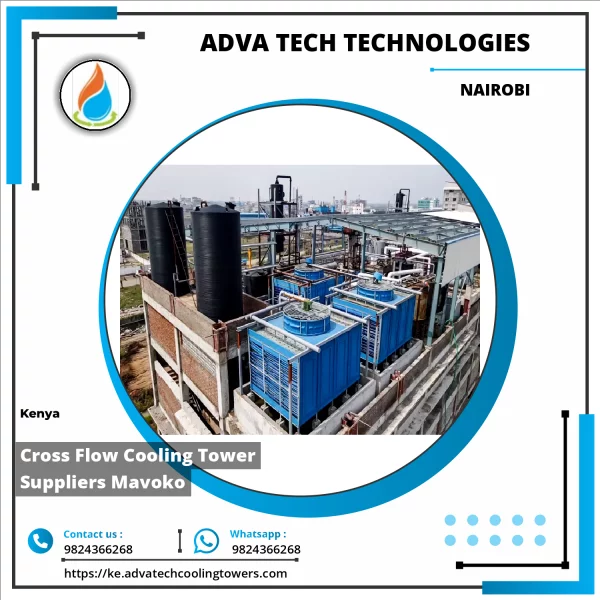
Our Team Provides Cross Flow Cooling Towers For Industrial And Commercial Cooling Applications. These Towers Are Manufactured Using Robust Materials And Precise Construction Methods Suitable For Large-scale Heat Exchange Processes. To Meet The Demands Of Factories, Process Plants, And HVAC Systems Where Consistent Cooling Is Necessary. Available In Various Sizes And Specifications, These Towers Are Adapted To Different Operational Setups. Inspection Procedures Are Conducted To Ensure Efficiency, Continue
Cross Flow Cooling Tower Suppliers In Mavoko
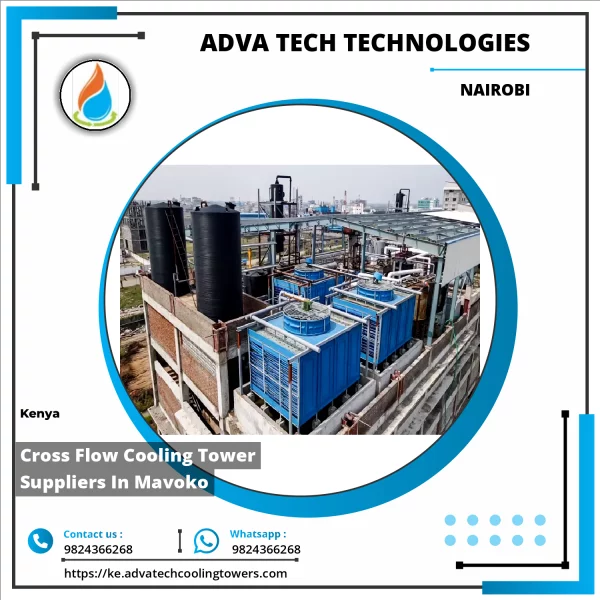
Leveraging Extensive Industry Expertise, We Are A Specialist In Supplying Our Diversified Portfolio Of Cross Flow Cooling Towers Developed For Effective Heat Exchange And Operational Reliability. This Product Features Durable Structural Components, Advanced Airflow Configurations, And Efficient Fill Design To Provide Uniform Cooling Distribution. Recognized As A Dependable Supplier, These Towers Support Industrial Sectors Requiring Continuous Performance And Minimal Maintenance Interruptions. Continue